
HASI Foundation
We seek to accelerate the transition toward an inclusive, climate positive future
Philanthropic Pillars
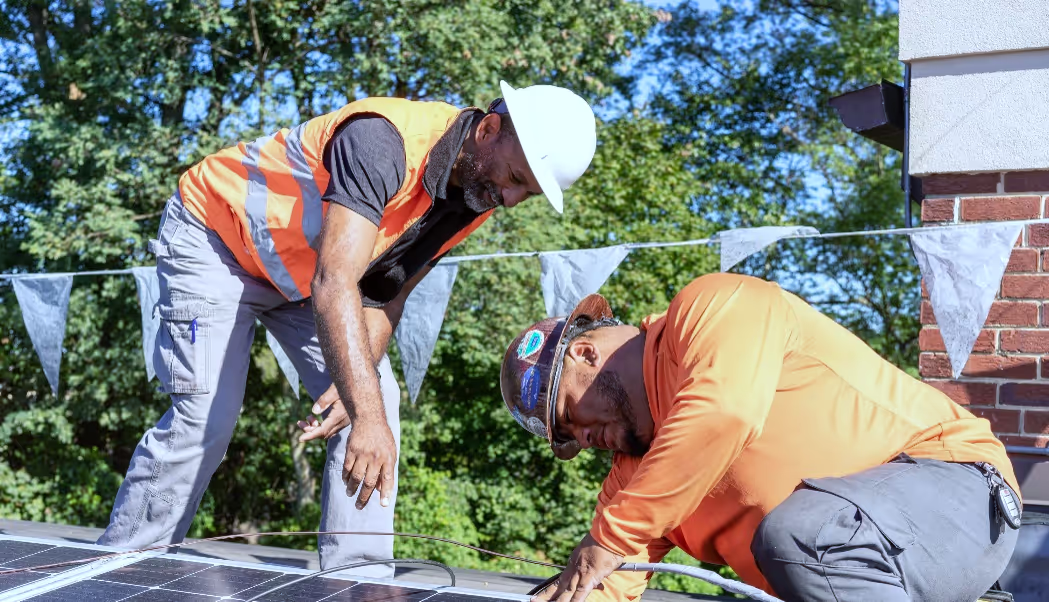
Infrastructure Deployment
Support for programs that provide low-carbon, affordable energy and transportation solutions to underserved communities
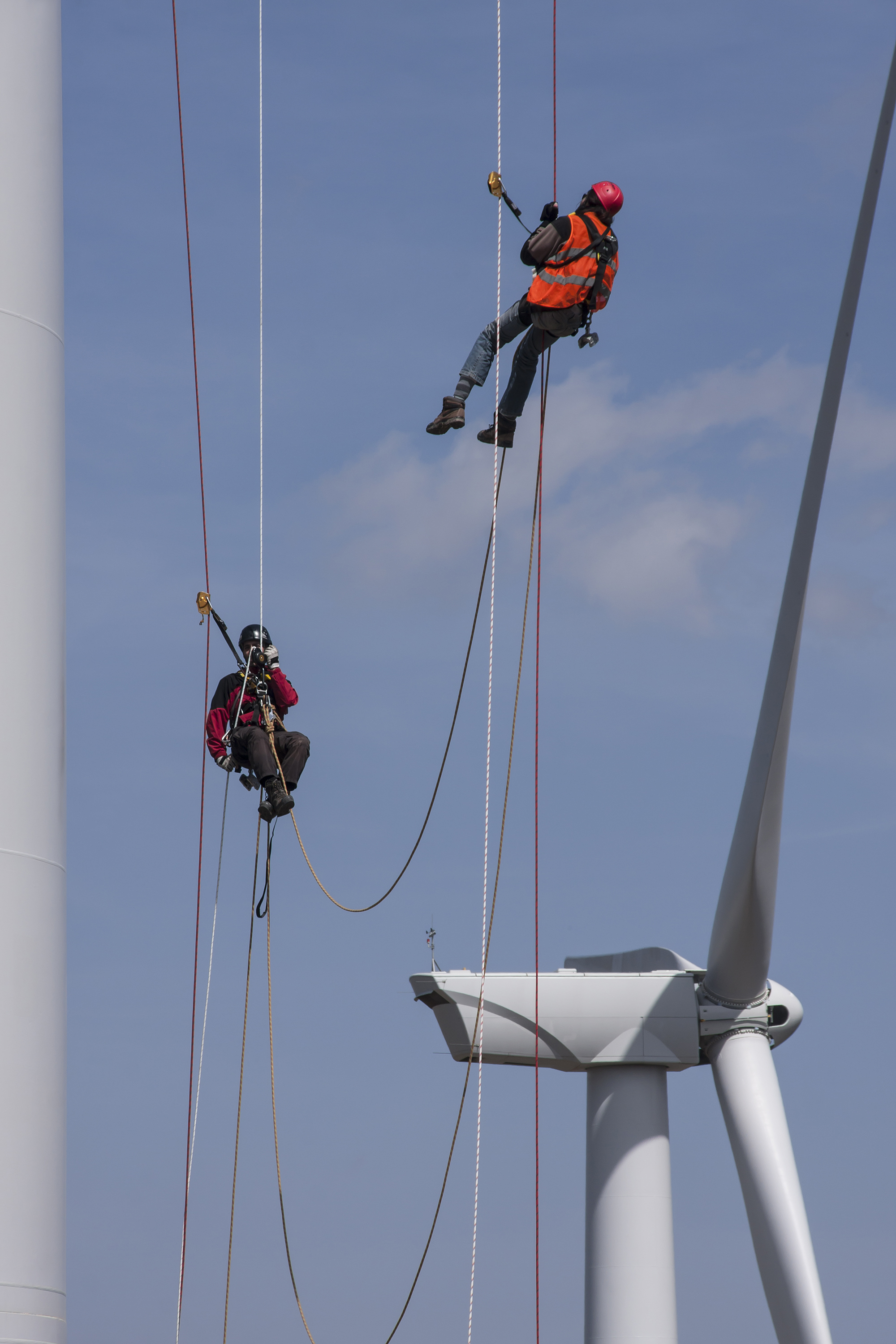
Workforce Development
Support for educational and training programs that prepare those from underserved communities for clean energy and sustainability-focused careers
.avif)
Place-Based Resilience
Support for organizations located across the Mid-Atlantic and Northeast that promote economic and climate resilience
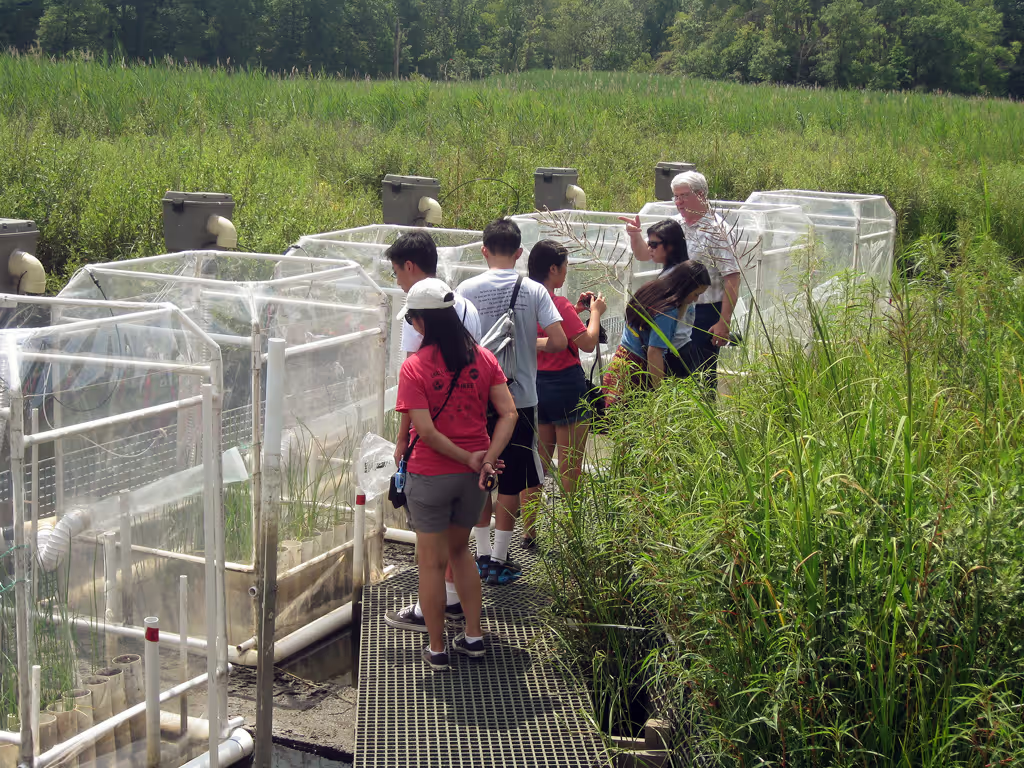
Climate Research & Action
Support for research, public education, and advocacy that advance durable systems-level change
Grant Spotlights
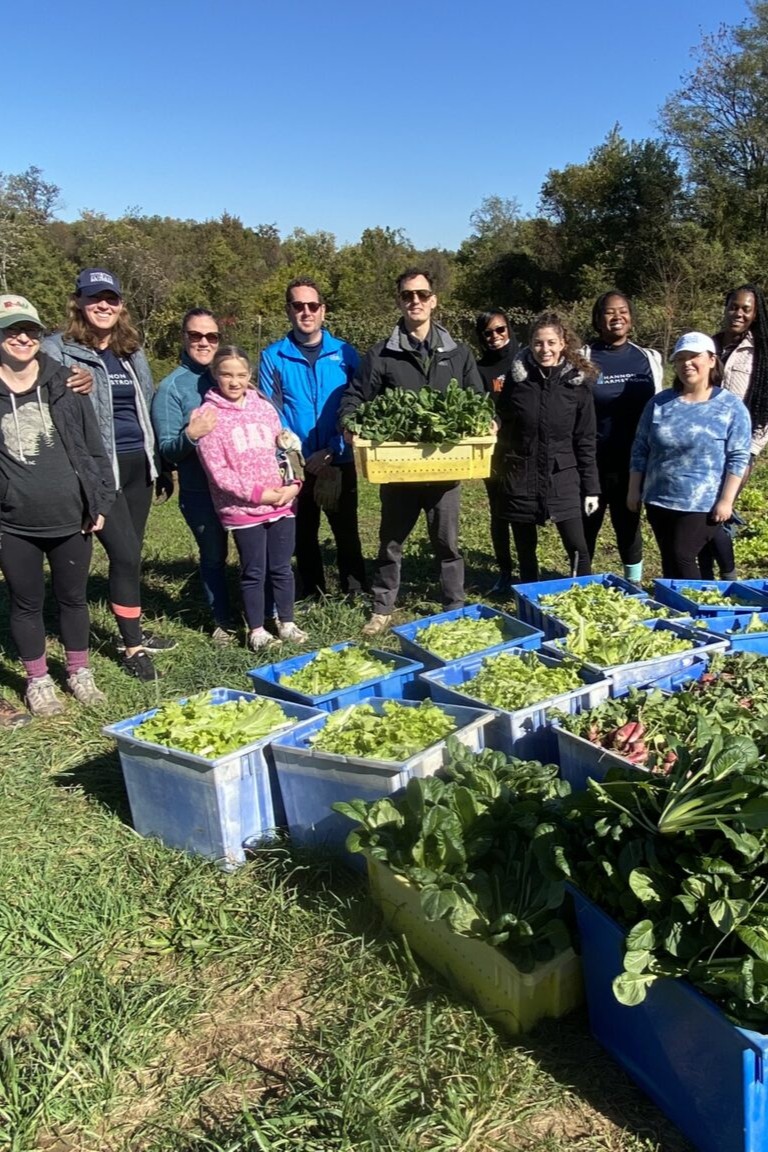
The Chesapeake Bay Foundation's Clagett Farm is a 283-acreregenerative farm in Upper Marlboro, Maryland, supplying organic vegetables to over 250 shareholders annually through its CSA program. The farm promotes sustainable agriculture and environmental restoration within the Bay watershed.
The HASI Foundation has supported Clagett Farm with grants and employee volunteer efforts, including harvesting radishes, greens, and ginger, donating produce to shareholders and food banks, and learning regenerative techniques that help combat climate change and enhance flood resilience.
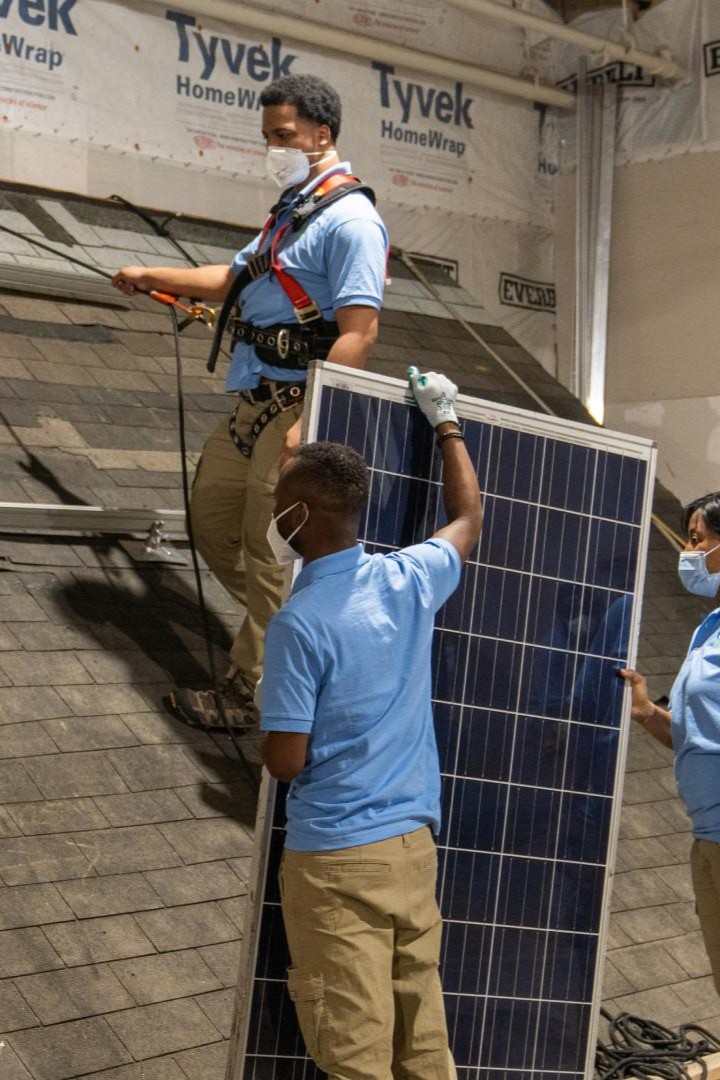
Civic Works' Center for Sustainable Careers trains Baltimore residents facing systemic barriers for careers in construction and clean energy. The program offers industry-recognized certifications and skills training for solar installation jobs with starting wages over $18/hour, along with expanded case management services to tackle structural barriers to family-sustaining employment.
HASI Foundation support has enabled the program to grow from 8 to 32 entry-level participants and provide training for 20 incumbent workers, helping Baltimore residents gain marketable skills while fostering economic and climate resilience.
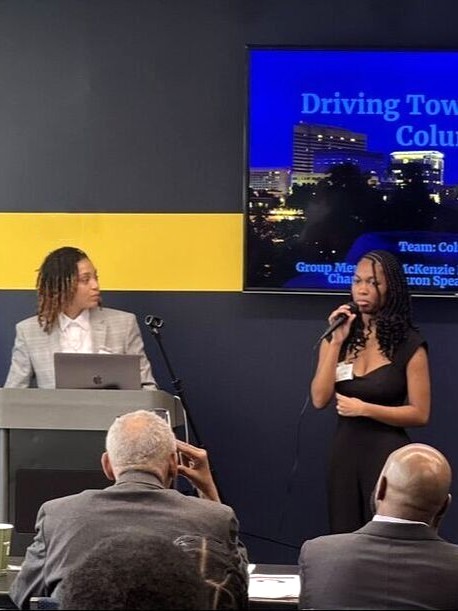
The HASI Foundation Climate Solutions Scholarship program supports the next generation of sustainability scholars from historically underrepresented communities. Since 2021, the program has awarded scholarships to 28 students across three cohorts at Miami University and Morgan State University.
Need-based scholarships cover an entire year of tuition, room, and board for up to five recipients per cohort (see 2024 cohort). Students also receive mentorship from HASI employees, supporting their continued success in climate-focused careers and addressing the unique needs of underrepresented students.
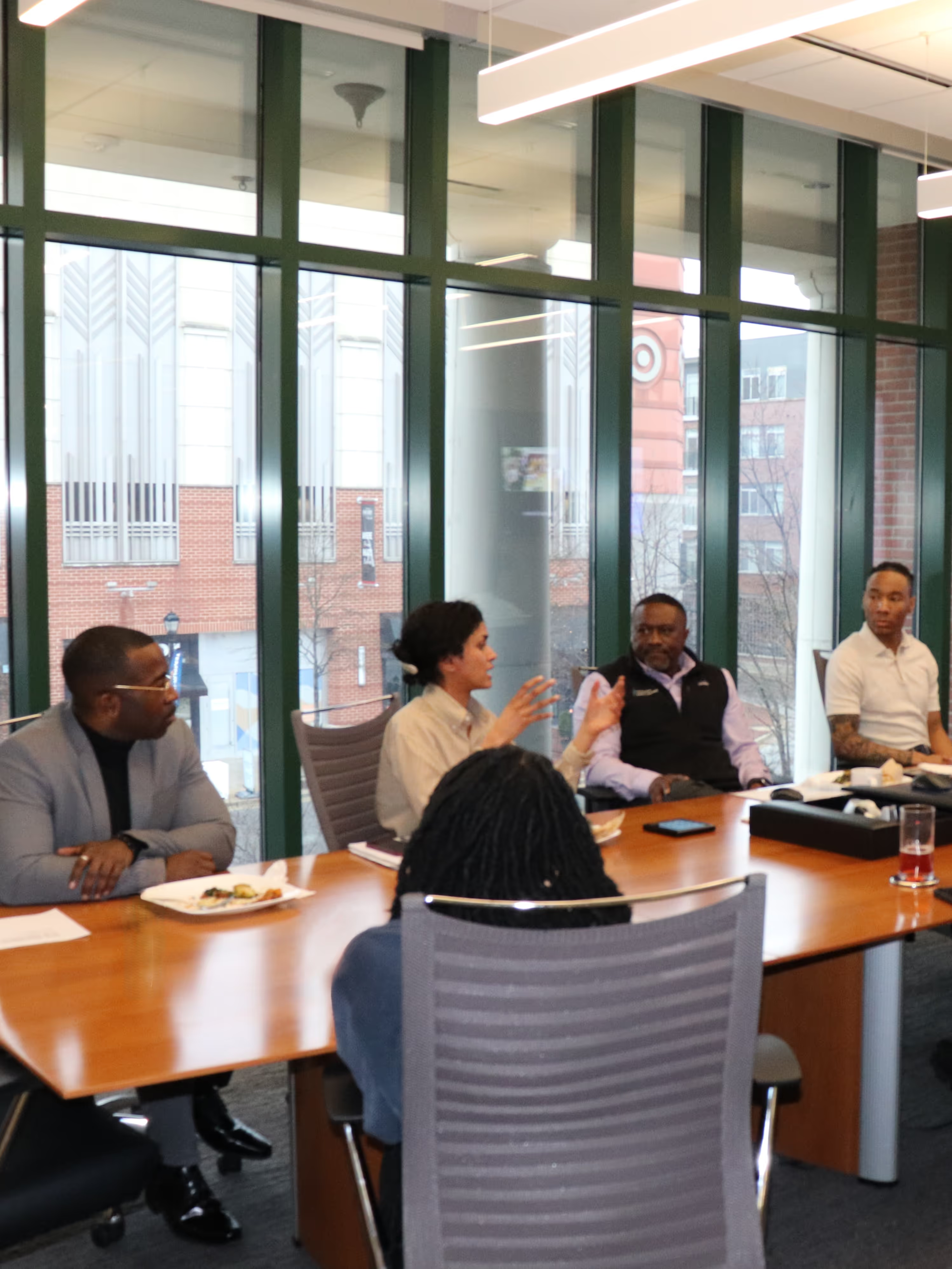
Groundswell strengthens community power through equitable clean energy programs, including community solar, energy storage, and energy efficiency initiatives.
With support from the HASI Foundation, Groundswell has expanded its Community Resilience Hub Program from Maryland to rural communities in East Alabama and West Georgia. These hubs integrate solar and energy storage to provide essential services such as heating, cooling, medicine refrigeration, and phone charging to vulnerable residents.
By incorporating community ownership, the program offers a scalable approach that aligns with state and federal funding opportunities, enhancing longevity and impact.

The Smithsonian Environmental Research Center (SERC) provides science-based knowledge to mitigate environmental impacts from human activities. SERC identified a lack of momentum in carbon markets for coastal ecosystems, mainly due to perceived unreliable data, despite the Coastal Carbon Atlas.
HASI Foundation funding supports SERC’s development of an interactive user interface for the Atlas, enabling investors, policymakers, resource managers, and communities to make informed decisions on coastal ecosystem restoration and protection. The interface offers verified carbon estimates to support offset projects and climate commitments.
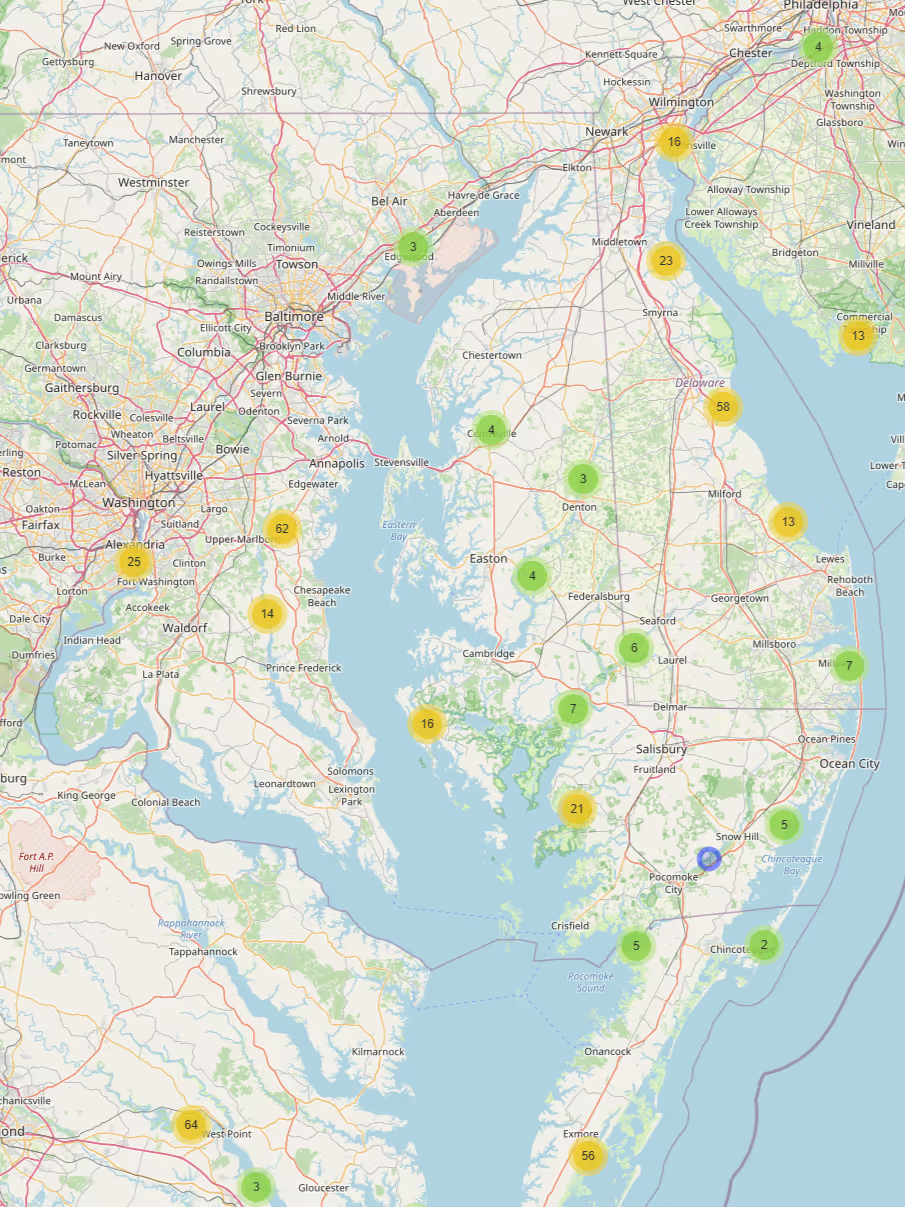
Southface Institute's GoodUse program helps nonprofits reduce their environmental impact and boost capacity through energy-efficient upgrades. Supported by HASI Foundation since 2022, it completed 11 projects in the Mid-Atlantic and Northeast, cutting energy use by 34% and saving nonprofits $85,220 in utilities.
Projects usually involve replacing HVAC systems, upgrading to LED lighting, sealing air leaks, improving insulation, and installing energy-efficient windows. Many organizations also add solar panels with battery storage. These extensive upgrades provide significant annual cost savings and help lower CO₂ emissions, enabling nonprofits to allocate more resources to their core missions.
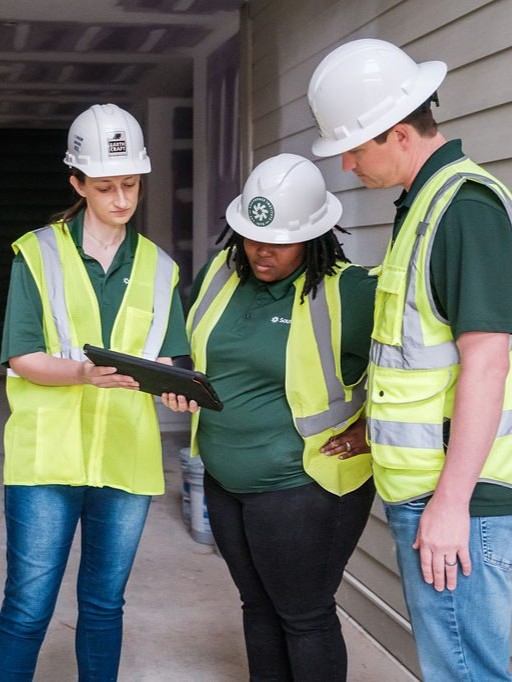
Strategic Energy Innovations' HBCU Energy Leadership Pathway program trains students from Historically Black Colleges and Universities for careers and leadership in sustainable energy. Supported by HASI Foundation, the program grew from 4 to 7 HBCUs in the Carolinas, increased enrollment from 20to 29 students, and placed 15 students into paid summer internships with prominent energy companies.
As the largest clean energy program in the Carolinas, it ensures that the future clean energy workforce reflects the diversity and leadership of the communities it serves and deepens HBCU engagement across key geographic regions.
The Chesapeake Bay Foundation's Clagett Farm is a 283-acreregenerative farm in Upper Marlboro, Maryland, supplying organic vegetables to over 250 shareholders annually through its CSA program. The farm promotes sustainable agriculture and environmental restoration within the Bay watershed.
The HASI Foundation has supported Clagett Farm with grants and employee volunteer efforts, including harvesting radishes, greens, and ginger, donating produce to shareholders and food banks, and learning regenerative techniques that help combat climate change and enhance flood resilience.
Civic Works' Center for Sustainable Careers trains Baltimore residents facing systemic barriers for careers in construction and clean energy. The program offers industry-recognized certifications and skills training for solar installation jobs with starting wages over $18/hour, along with expanded case management services to tackle structural barriers to family-sustaining employment.
HASI Foundation support has enabled the program to grow from 8 to 32 entry-level participants and provide training for 20 incumbent workers, helping Baltimore residents gain marketable skills while fostering economic and climate resilience.
The HASI Foundation Climate Solutions Scholarship program supports the next generation of sustainability scholars from historically underrepresented communities. Since 2021, the program has awarded scholarships to 28 students across three cohorts at Miami University and Morgan State University.
Need-based scholarships cover an entire year of tuition, room, and board for up to five recipients per cohort (see 2024 cohort). Students also receive mentorship from HASI employees, supporting their continued success in climate-focused careers and addressing the unique needs of underrepresented students.
Groundswell strengthens community power through equitable clean energy programs, including community solar, energy storage, and energy efficiency initiatives.
With support from the HASI Foundation, Groundswell has expanded its Community Resilience Hub Program from Maryland to rural communities in East Alabama and West Georgia. These hubs integrate solar and energy storage to provide essential services such as heating, cooling, medicine refrigeration, and phone charging to vulnerable residents.
By incorporating community ownership, the program offers a scalable approach that aligns with state and federal funding opportunities, enhancing longevity and impact.
The Smithsonian Environmental Research Center (SERC) provides science-based knowledge to mitigate environmental impacts from human activities. SERC identified a lack of momentum in carbon markets for coastal ecosystems, mainly due to perceived unreliable data, despite the Coastal Carbon Atlas.
HASI Foundation funding supports SERC’s development of an interactive user interface for the Atlas, enabling investors, policymakers, resource managers, and communities to make informed decisions on coastal ecosystem restoration and protection. The interface offers verified carbon estimates to support offset projects and climate commitments.
Southface Institute's GoodUse program helps nonprofits reduce their environmental impact and boost capacity through energy-efficient upgrades. Supported by HASI Foundation since 2022, it completed 11 projects in the Mid-Atlantic and Northeast, cutting energy use by 34% and saving nonprofits $85,220 in utilities.
Projects usually involve replacing HVAC systems, upgrading to LED lighting, sealing air leaks, improving insulation, and installing energy-efficient windows. Many organizations also add solar panels with battery storage. These extensive upgrades provide significant annual cost savings and help lower CO₂ emissions, enabling nonprofits to allocate more resources to their core missions.
Strategic Energy Innovations' HBCU Energy Leadership Pathway program trains students from Historically Black Colleges and Universities for careers and leadership in sustainable energy. Supported by HASI Foundation, the program grew from 4 to 7 HBCUs in the Carolinas, increased enrollment from 20to 29 students, and placed 15 students into paid summer internships with prominent energy companies.
As the largest clean energy program in the Carolinas, it ensures that the future clean energy workforce reflects the diversity and leadership of the communities it serves and deepens HBCU engagement across key geographic regions.
By the Numbers
Directed to the HASI Foundation
Awarded grants
Nonprofits supported

Foundation Leadership
HASI is built on the belief that how we invest matters — for markets, for communities, and for our collective climate future. The HASI Foundation extends this by supporting programs that advance climate solutions and expand economic opportunity for underserved communities. We seek partnership, stewardship, and measurable impact.

Learn More & Connect
We established the HASI Foundation in 2021 to add a long-term strategic lens to our maturing corporate philanthropy efforts targeted at the intersection of climate action and social impact, tied to specific pillars and committed to impact measurement. This effort flowed from an organic expression of shared values that fits naturally within our culture of fierce curiosity and outcomes-based rigor in climate investing.
The foundation is funded by annual Social Dividends declared by the company. To date, the company has contributed >$12 million to the foundation.
Connect with the team at connect@hasi-foundation.org.